DESSINS ÉTERNELLES
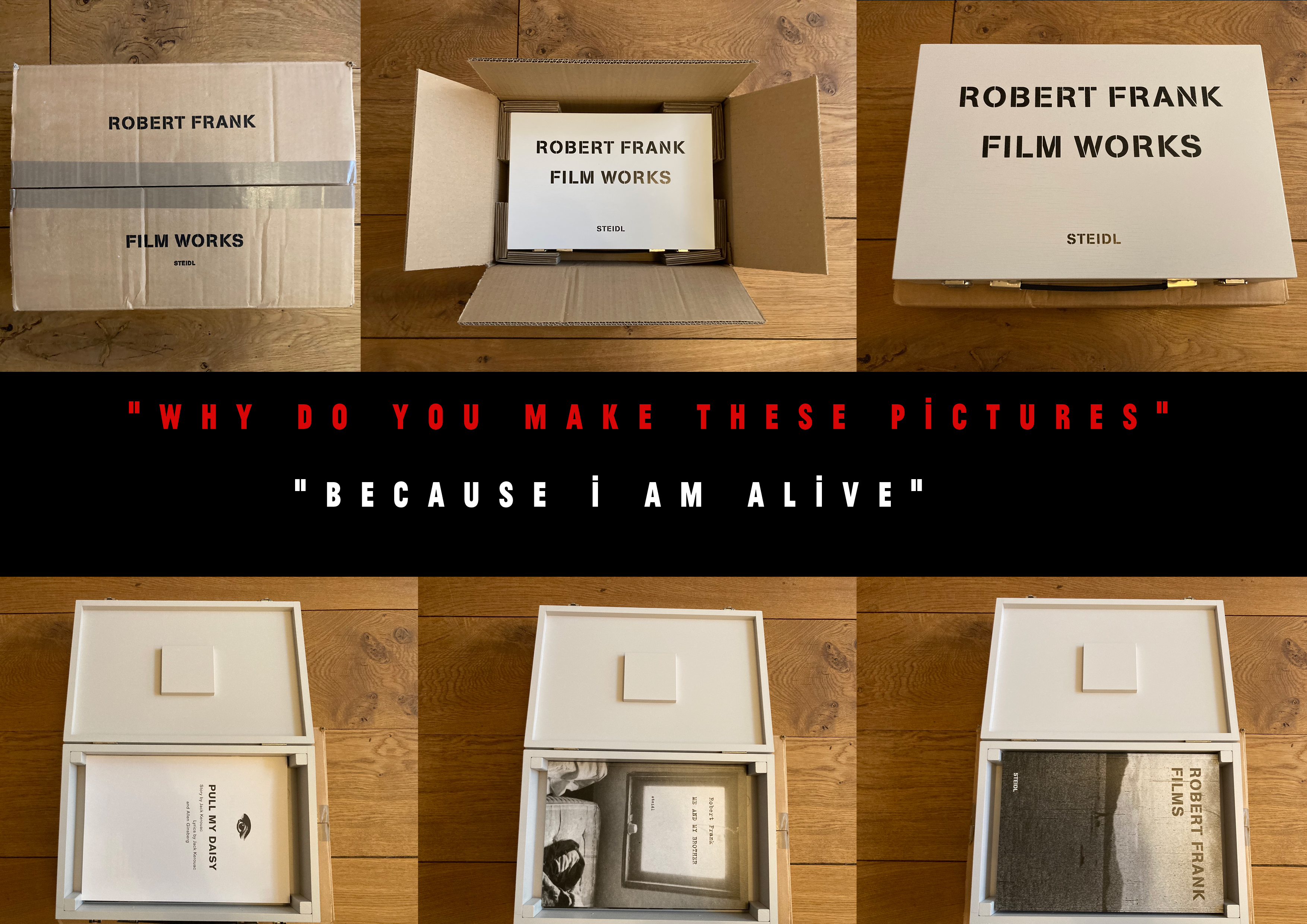
In one of my previous posts I was dedicating a song to Robert Frank, celebrating a human being who taught me the art of acceptance, how to accept, well that is something great if you are able to accept the sometimes unacceptable through your art. Finding ways to express yourself, and stay with it like a stubborn goat, finding answers for all of those things that happen to you for the wrong reasons.
Unboxing a wonderful publication from Steidl. ‘ROBERT FRANK FILMWORKS’
How can it be that a person at a very young age gets infected by the music virus and by the touch of the roman catholic faith, and live a long and happy life, devoted to his faith and to his music? This is my story of Olivier Messiaen.
These are the reasons I got interested in Olivier Messiaen [1908- 1992 ]
When I was a teenager I, by accident, heard an organ piece with very dense harmonic colours, warm and dark, and it wouldn’t let go. This piece is called ‘Le Banquet Céleste‘, and Olivier Messiaen wrote this piece that was published in 1928, when he was only twenty years old!
Years later I heard an album by a band called ‘ Naked City’, the album’s title ‘Grand Guignol’. On this album, that featured the eclectic composer John Zorn who wrote almost all of the 41 songs, was an instrumental song called ‘Louange à l’éternité de Jésus‘. A beautiful interpretation of a composition by Olivier Messiaen. Here we hear the same mystique but arranged for a rock ensemble. [ The same song ‘Louange à l’éternité de Jésus‘ [ from Quatuor pour la fin du temps ] is also beautifully played by Charles Curtis on cello and Reiko Uchida on piano.]
With ‘Le Banquet Céleste’ starts my love for the organ, hearing this organ composition played on a particular organ opened a door and it entered my own musical universe and future.
The recording I am referring to is Olivier Messiaen Par Lui Même. Recorded in 1956
Messiaen plays his early organ works on the organ of the ‘Église de la Sainte-Trinité‘
There she is the organ of the ‘Église de la Sainte-Trinité‘
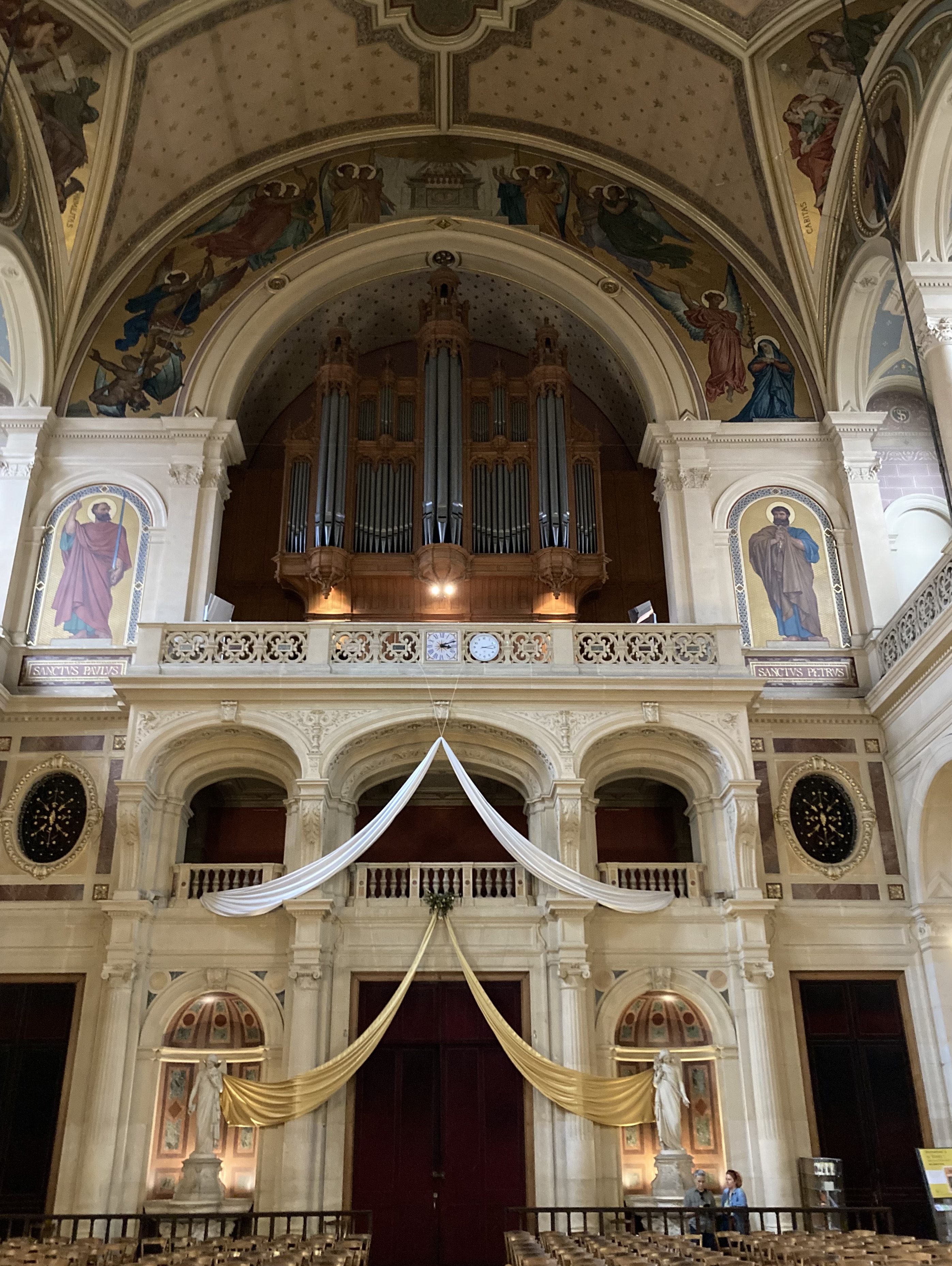
Église de la Sainte-Trinité’
Earliest organ works
Messiaen entered the Paris Conservatory in 1919, at the age of eleven.
From his childhood Messiaen’s vocation was to be a composer. It was not his faith that led him to take up the organ. His skill as an improviser prompted his harmony teacher to recommend Messiaen to Marcel Dupré [ Organ teacher at the Paris Conservatory ]
Messiaen was 18 years old before he first played an organ. Dupré later recalled:
” he sat stupefied in front of my organ keyboards. He had never seen an organ console before. After an hour of explanations and demonstrations, I gave him the Bach C minor Fantasia to learn. He came back a week later and played it to me by heart, perfectly; an astonishing feat! “
His first organ work ‘Le Banquet Céleste‘ dates from his years at the Conservatory.
Barely four years after learning that first piece of Bach he gained his post at the Trinité.
In 1930 Messiaen became the chief organist of the Trinité. A position he was to hold for more than 60 years
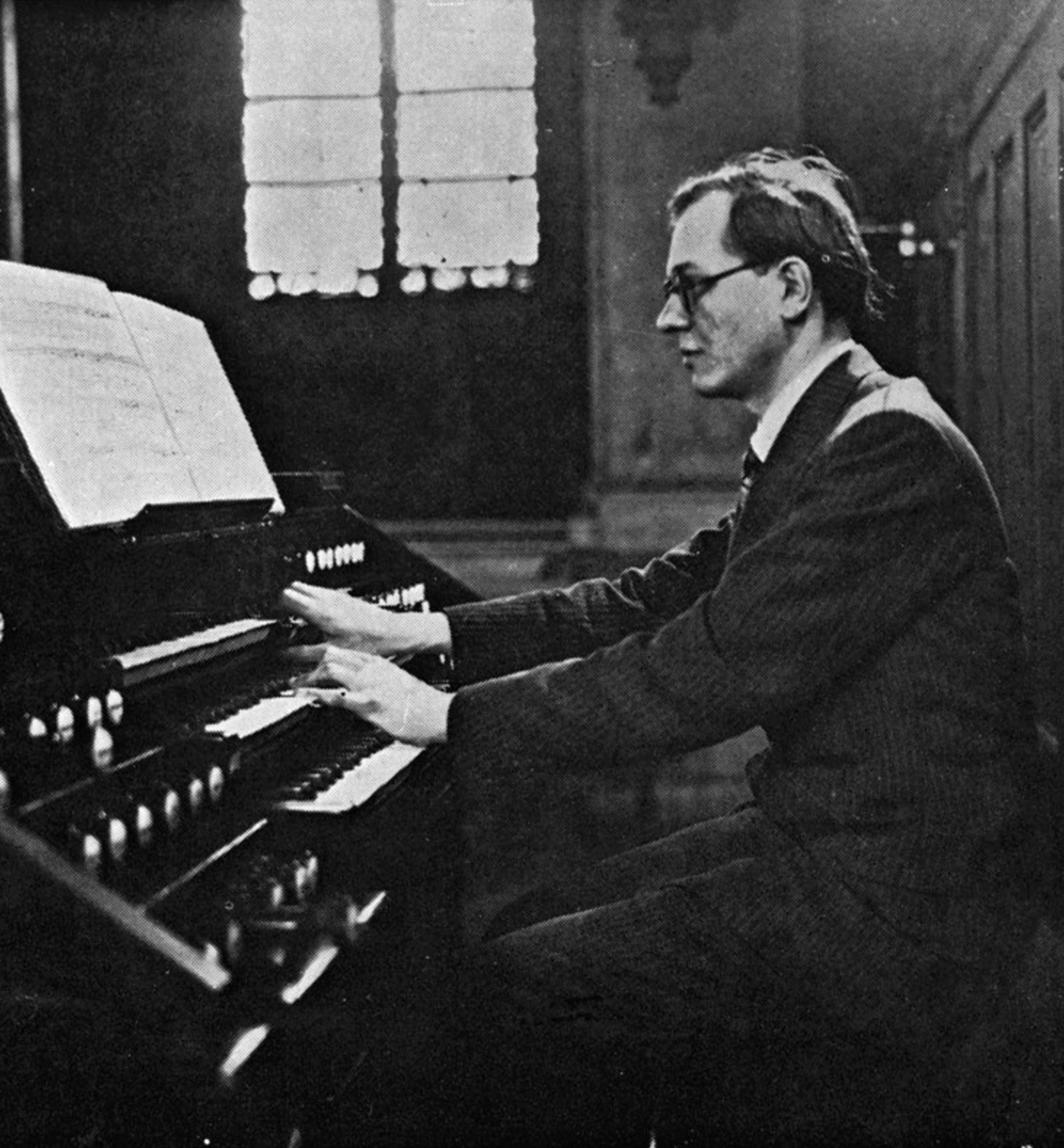
‘Le Banquet Céleste’
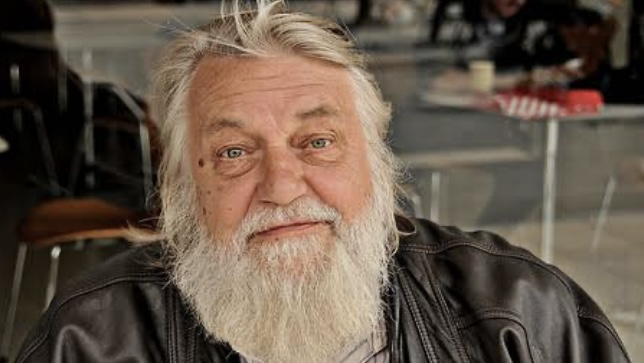
Happy birthday to Robert Wyatt!
Today I heard a voice, so unique, a voice I have known for all my life, a voice that always touches me so deeply.
It’s the voice of Robert Wyatt.
Robert, how we miss your voice, speaking to us, and for us, telling it like it is. Honest and unafraid, bringing injustice to the agenda. How we need you today.
Together with his wife Alfreda Benge, they were the FORCE, that would unite the voices of the unheard with his unique beautiful music, and this incredible voice.
Forever grateful.
Cellos & Loopers Bowed Vibraphones & Pure Data
The first quarter of the 21st Century shows great freedom and optimism when it concerns the Art of Music. Borders disappear and there’s a lot of migration between people and cultures.
Classically trained musicians embrace technology, popculture finds inspiration in 15th Century music practice. Modular synths combine well with pipe organs, cellos and harps embrace loopers and every other fx pedal. Ensembles interact with live sampling, violins interact with electric guitars. The list is endless.
Composition and Improvisation
Avantgarde, the word sounds so oldfashioned today, high and low culture sounds so cliche. Anyone can be a pioneer, you just use the tools and techniques that suit you well. You want to use notation software, no problem, you want to write your notes with a pencil on a piece of paper, fine. You want to compose in the music tradition of the west, improvise, mix and blend it, you can do it, just as it fits you.
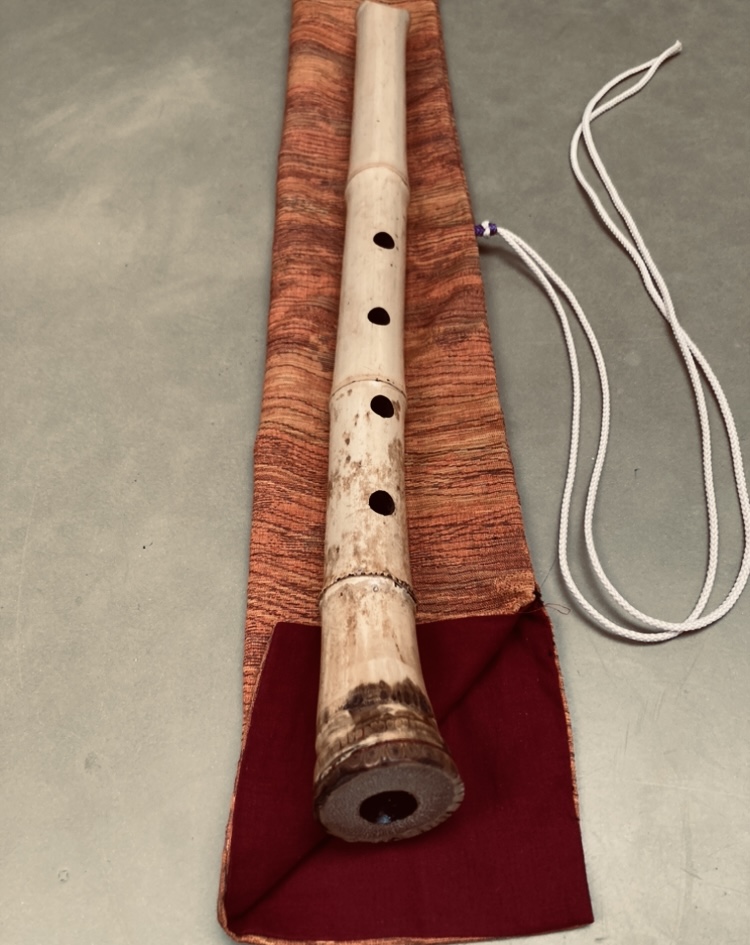
Freedom and Blueprint
You learn from others, study in person with teachers, I studied Western Music Theory for some years, but teachers are everywhere, on the radio, on records, in interviews and in the people you meet. One of those teachers is Jürg Frey. You can find older posts on the composer on the blog. Today I would like to add a small part from an interview Frey recently did with Simon Reynell.
” I don’t think I discover much while composing. Or maybe in a more general way: I discover the piece. My composing is primarily a process of doing something, even when it doesn’t seem like the piece is progressing. I am doing something; even thinking about it is doing something, or reading a book. Many decisions are intuitive, with a precise sense of what the piece will be. I feel that it could be right. When the piece is written I discover more and more things that are connected on different levels, even things that I wasn’t fully aware of while working. Things that I didn’t “compose” but simply ‘did’, writing notes…. And discovering all these connections and relationships means discovering what the piece is, what kind of ‘body’ the piece is, beyond “simply writing the notes”. [Website Another Timbre November 2025]
Finding your own voice; your own materials, your own ‘palet’ so to speak, and discovering your own way of writing, composing, improvising. When your blueprints start to vanish and your voice becomes clearer, your freedom starts growing and the time will come to give a big thank you to all the great teachers that helped you on the way.
Whenever there is crisis and chaos, art and culture are the something to hold on to.
Finding beauty amidst the average, the ordinary, finding strength in vulnerability simply
by laying down fundamentals that are known to all. Art and culture. Culture and art.
There a craftsmen and women who are just doing that on a daily basis, laying down
fundamentals that are know to all. Past, present, future, then and now.
Lately I have been fascinated by the strength and vulnerability of singer, composer, poet and sound explorer Sidsel Endresen.
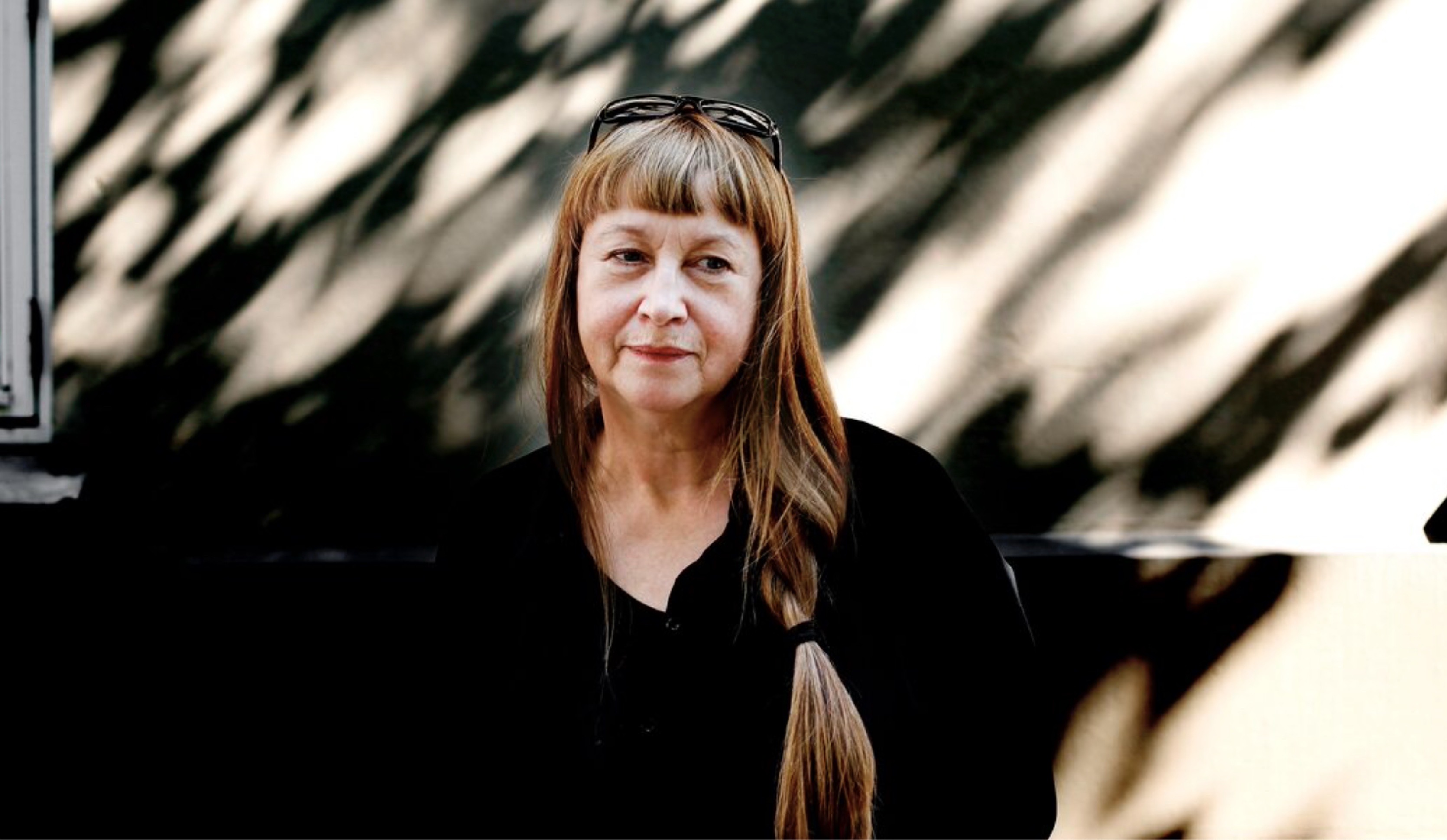
Born in Norway, living in England for some time, then back to Norway. She’s such an amazing artist, she gives emotion a voice. With fellow musicians Jan Bang and Erik Honoré she makes these beautiful improvisations using skills so personal it”s hard to describe.They collaborate[d] with great artists like Are Henriksen, [the late master] Jon Hassell, David Sylvian. All doing what they’re good at, making collages for the heart the soul and the mind. Sidsel has got this wonderful sense of freedom, she dares to show emotion, be vulnerable. And so she is giving a lot of herself to everyone. Yes we’ll make it. Yes it will be allright. Finding beauty amidst the average, the ordinary, finding strength in vulnerability simply by laying down fundamentals that are known to all.
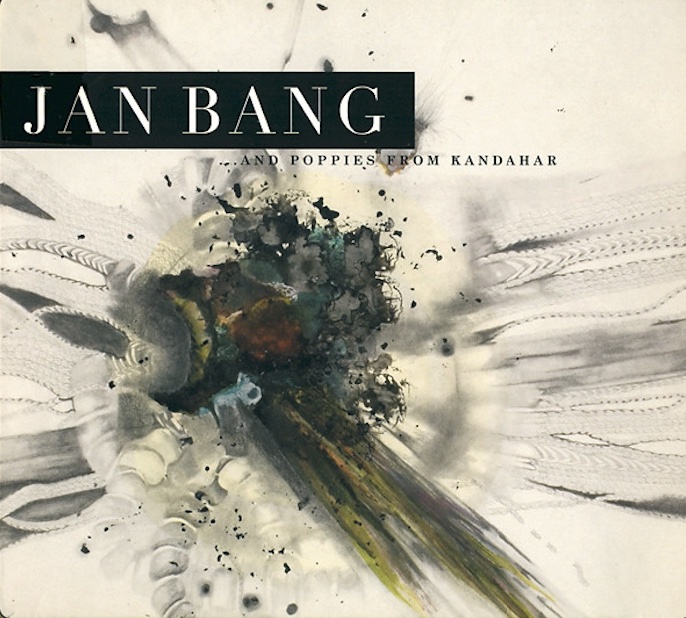
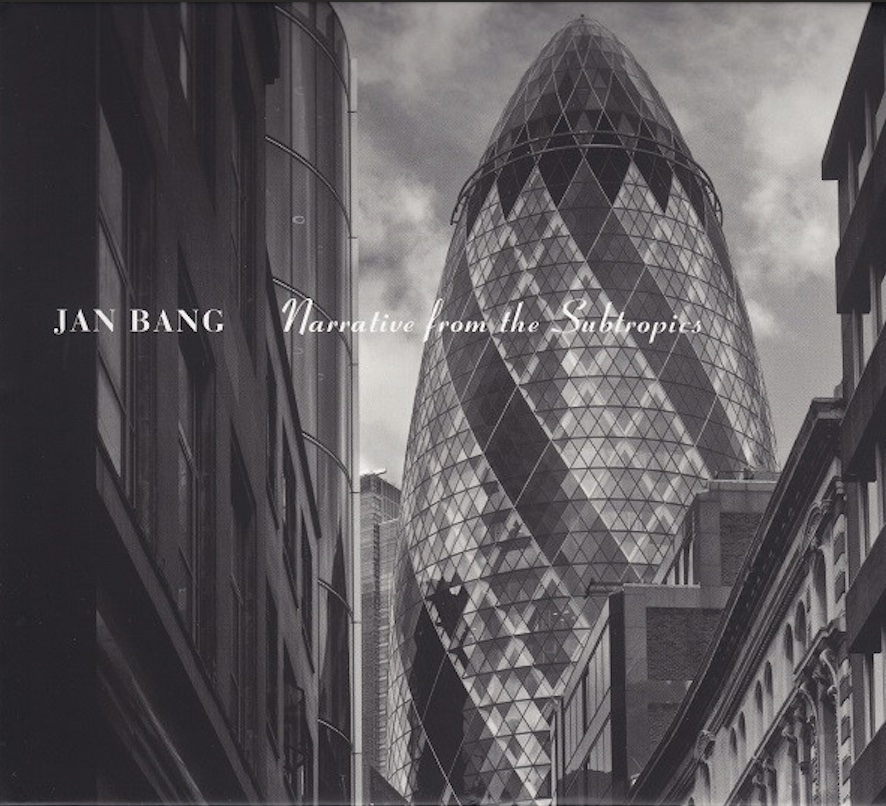
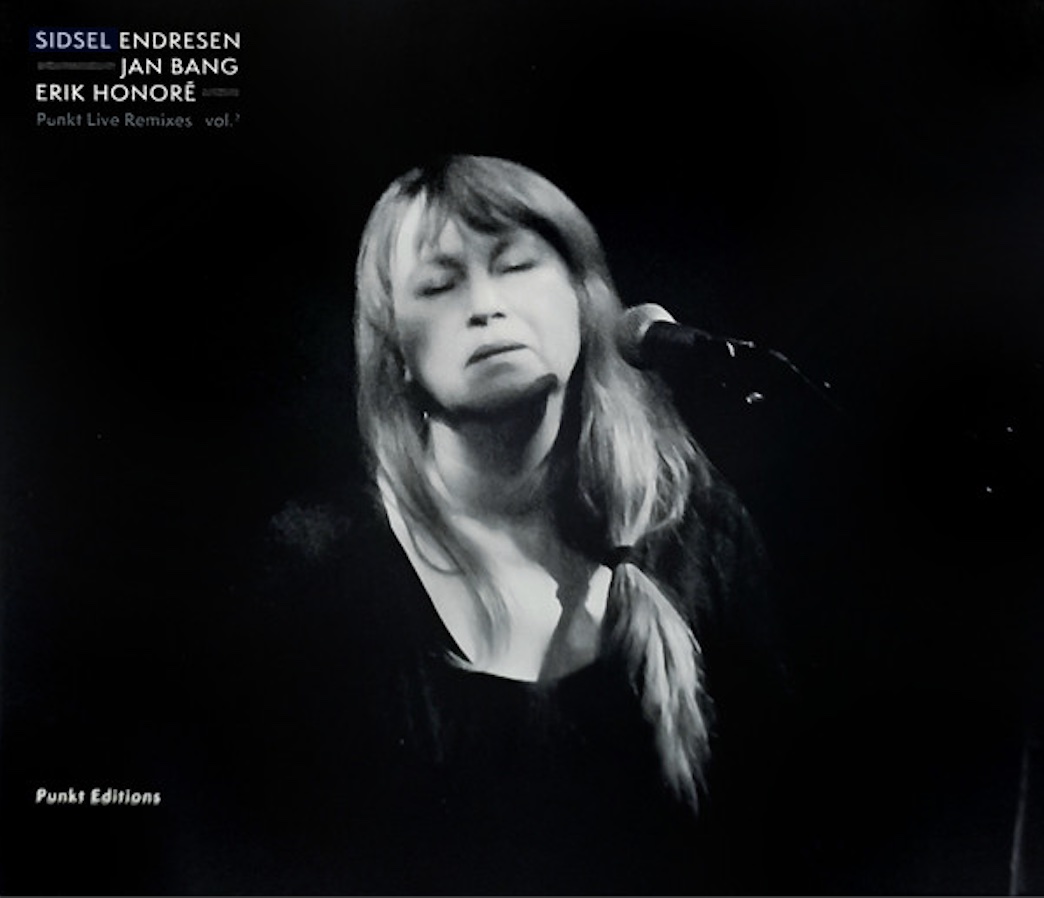
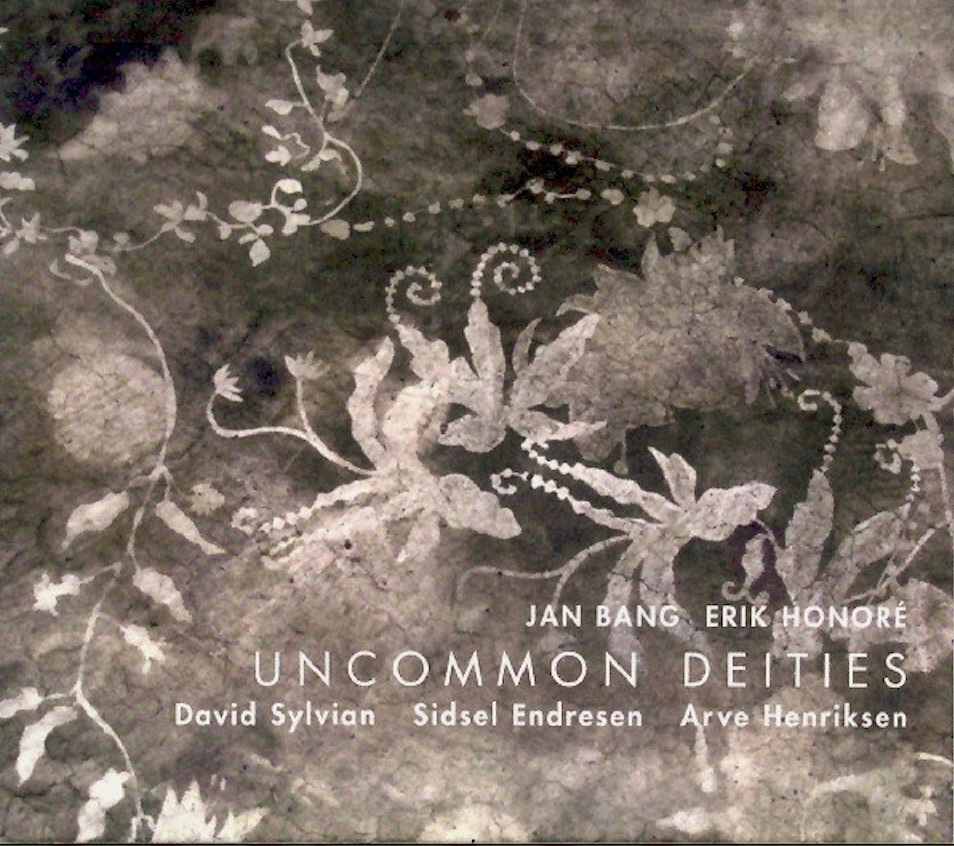
Some albums are on Spotify, Bandcamp, Discogs or at your local Record Store [uncommon deities is also part of the 10 CD box ‘Do you know me now’ by david Sylvian]
Sidsel knows how to make an artistic statement to a popsong too. Giving emotion, life, to a mediocre song with a not too bad arrangement and instrumentation. The song is ” Shadows in the Rain ” written by Sting and played by Christof Lauer and Jens Thomas. Listen here : https://open.spotify.com/track/0gLa9BlHwks9ULdW9syT5L
I been reading T.S. Eliot Collected Poems 1909-1962 and I want to lay down some sentences that I think matter in these disturbed and noisy times.
” But the fountain sprang up and the bird sang down
Redeem the time, redeem the dream
The token of the word unheard, unspoken
Till the wind shake a thousand whispers from the yew
And after this our exile “
T.S. Eliot “ASH WEDNESDAY” 1930
I dedicate this post to poet, musician and sound artist Annemarie Steinvoort
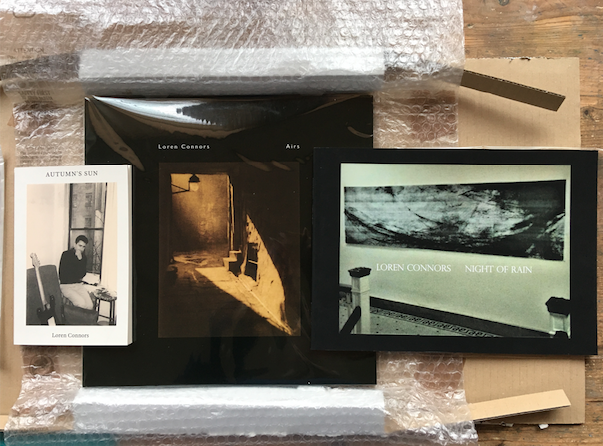
Voor mij ligt een pakketje dat ik enkele weken geleden ontving van distributeur en uitgever Soundohm uit Milaan.
Het bevat werk van Loren Connors een heruitgave van het album ‘Airs’ op vinyl,
een catalogus van de schilderijen expo ‘Night of Rain’, beiden uitgegeven door Sean McCann’s uitgeverij Recital, en het al wat oudere boekje ‘Autumn’s Sun’,
een uitgave van Blank Forms Edition.
De inhoud van het pakket geeft een mooi beeld van het palet van elektrisch gitarist
en beeldend kunstenaar Loren Connors.
Loren Connors, geboren in 1949 in New Haven in de Amerikaanse staat Connecticut, woont en werkt in New York City. Hij speelt de blues, en wordt ook wel de ‘modern master of the avant blues and the abstract’ genoemd.
De laatste jaren krijgt Loren steeds meer naamsbekendheid, mede door een groot artikel in THE WIRE in 2016 en een mooi stuk in de The New York Times afgelopen september.
Zijn werk wordt nu heruitgegeven en bekende muzikanten, zoals Thurston Moore en Jim O’Rourke, maar ook filmregisseur Jim Jarmusch, spreken hun bewondering uit.
Lange weg naar de top
Jaren lang woont Loren Connors in kraakpanden en brengt hij platen uit die niemand wil hebben.
Hij werkt vijftien jaar als congiërge aan Yale University, maar Loren is geen klager.
Yale University betekent ook dat hij zich vijftien jaar lang kan verdiepen in de blues, gebruikmakend van de omvangrijke muziekbibliotheek van de universiteit.
In deze periode, die zich tot 1990 afspeelt in New Haven, ontwikkelt hij zijn persoonlijke stijl, geïnspireerd op de blues.
In zijn boekje ‘Autumn Sun’ vergelijkt hij de blues met de Haiku.
Beiden trachten met eenvoudige middelen, een gedicht van drie zinnen of een lied met drie akkoorden, een ervaring op te roepen:
Een directe schoonheidsbeleving, even het onaantastbare kunnen aanraken.
De blues blijft ook later, als zijn stijl zich ontwikkelt en hij nieuwe wegen inslaat, fundamenteel in zijn werk.
In 1986 bezoekt Loren een tentoonstelling van kunstschilder Mark Rothko en benoemt de enorme invloed die het werk van Rothko op hem heeft gehad.
Naast de blues is Mark Rothko een andere pijler in zijn kunstenaarschap. Hij vertegenwoordigt Lorens gedrevenheid voor het tekenen en schilderen.
Sierlijke portretten staan op de talloze hoezen die hij maakt voor zijn vinyl albums en cd’s.
En ook muzikaal maakt hij op dat moment een belangrijke ontwikkeling door, hij ontdekt de multi-tracker, een 4 sporen cassette recorder, die een revolutie ontketent in het leven van muzikanten. Met de multi-tracker kunnen muzikanten zonder tussenkomst van dure studio’s hun muziek opnemen.
Hij maakt gebruik van deze viersporentechniek om het album ‘Blues / The Dark Paintings of Mark Rothko‘ op te nemen.
De multi-tracker stelt hem in staat om meerdere gitaartracks naast elkaar op te nemen. Hieruit ontstaat een volkomen eigen manier van spelen: de “Loren- Connors stijl”: uniek en onuitwisbaar.
Zijn improvisaties daarna blijven niet langer beperkt tot de blues. Er gaan nieuwe deuren voor hem open, waarin hij zijn Ierse muzikale roots onderzoekt. Het album “Airs” is het hoogtepunt van deze ontwikkeling.
Een nieuwe periode breekt aan, waarin Loren meerdere albums maakt met muzikale miniaturen. De albums ‘portrait of a soul’ en ‘As Roses Bow Collected Airs 1992-2002’ geven een mooi overzicht van deze muzikale miniaturen, die gekenmerkt worden door composities met een korte lengte en een beknopte eenvoudige vorm.

In 1991 wordt de ziekte van Parkinson geconstateerd bij Loren, een ziekte waar hij ondertussen al meer dan dertig jaar mee leeft.
De ziekte heeft een enorme invloed op zijn leven: het sloopt hem. In het NewYorkTimes-artikel zegt hij: “Parkinson’s is a curse, it doesn’t kill you, but it just makes your life terrible. I’m hanging in there.”
Hij kan nauwelijks meer lopen, en zijn spraakvermogen is ernstig aangetast door de grote hoeveelheid medicatie die hij dagelijks moet innemen.
Maar zijn handen doen het nog, en zijn onverzettelijkheid en vastberadenheid maken dat hij door blijft werken, elke dag opnieuw.
Zijn muziek wordt abstracter. Zijn instrumenten worden kleiner, lichter en dus beter hanteerbaar, maar zijn geluid wordt groter. Golven van harmonische klanken worden afgewisseld met momenten van ruis en relatieve stilte.
Kleur in de rauwheid van het dagelijkse bestaan.
Inmiddels heeft Loren meer dan honderd albums uitgebracht, die een mooi beeld geven van het leven van de kunstenaar.
Nu zijn er ook twee boeken gepubliceerd over zijn teken- en schilderwerk.
Waar zijn vroege vinyl- en cd hoezen vaak portretten zijn, laat hij in zijn huidige werk ruimte voor subtiele, vaak ontroerende, wilde bloemen [ ‘Wild Weeds’ ] en landschappen [ ‘Night of Rain’ ].
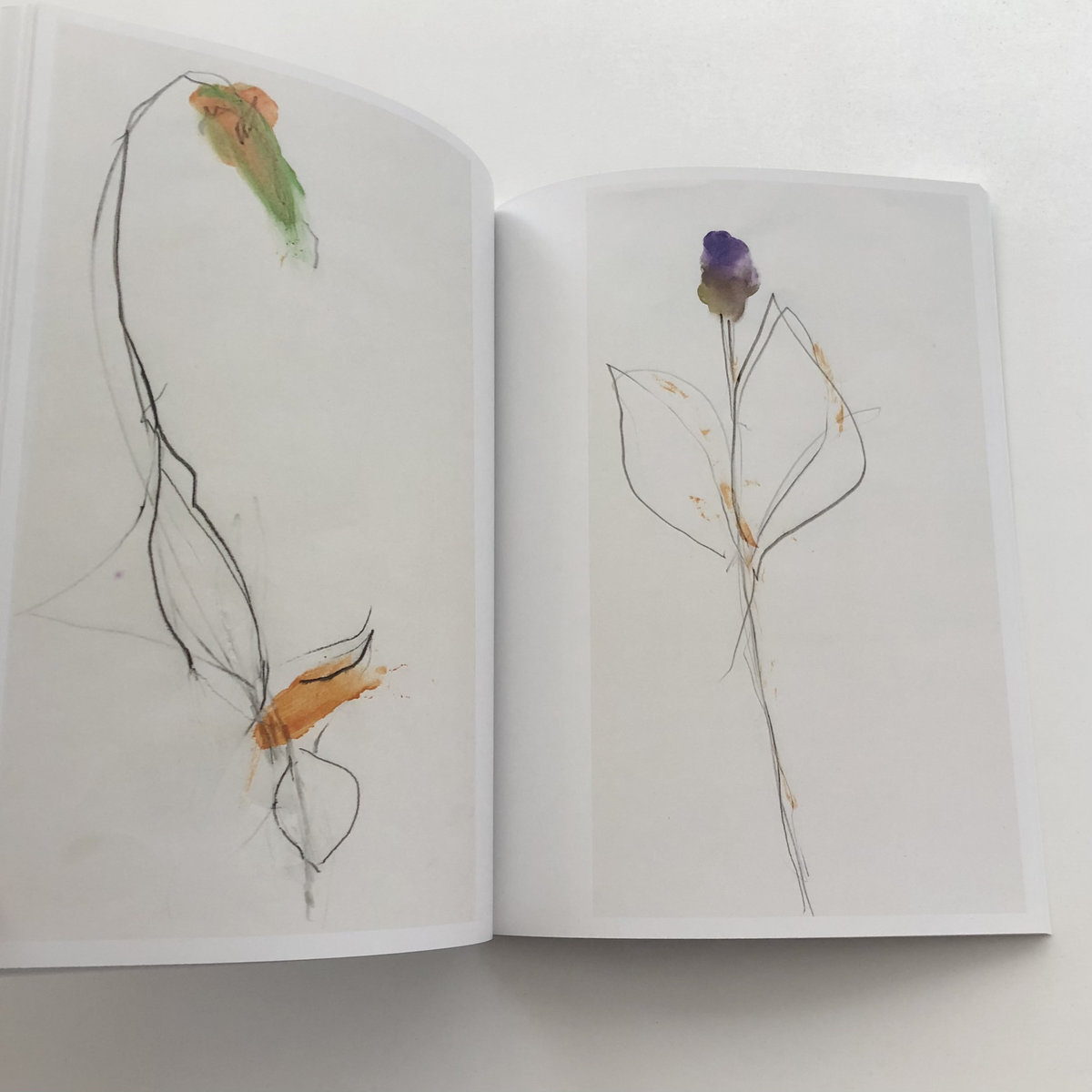
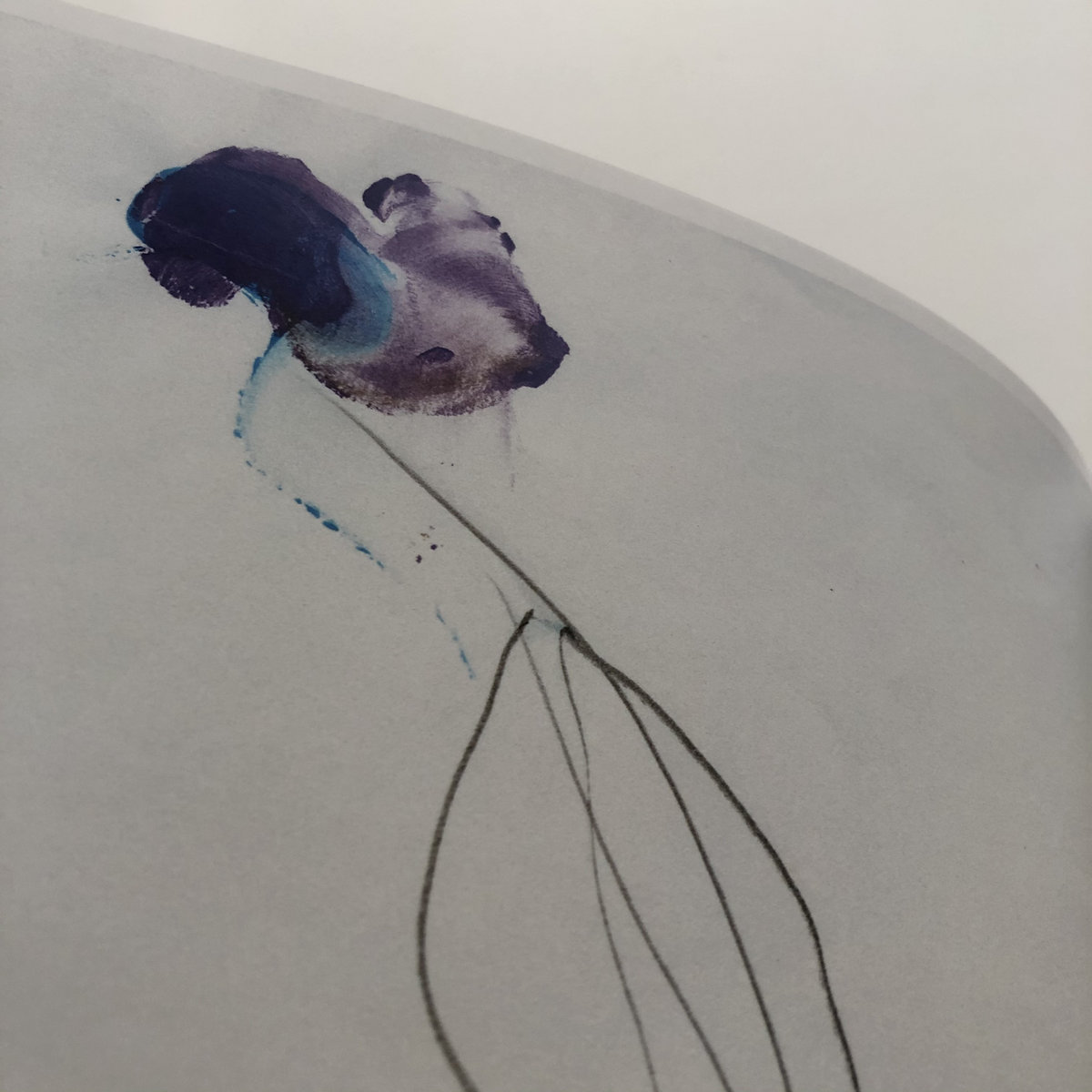
Van 28 Januari – 25 Maart 2023 is de expositie ‘Loren Connors: A Coming To Shore’ te zien in the Blank Forms Gallery in Brooklyn NY.
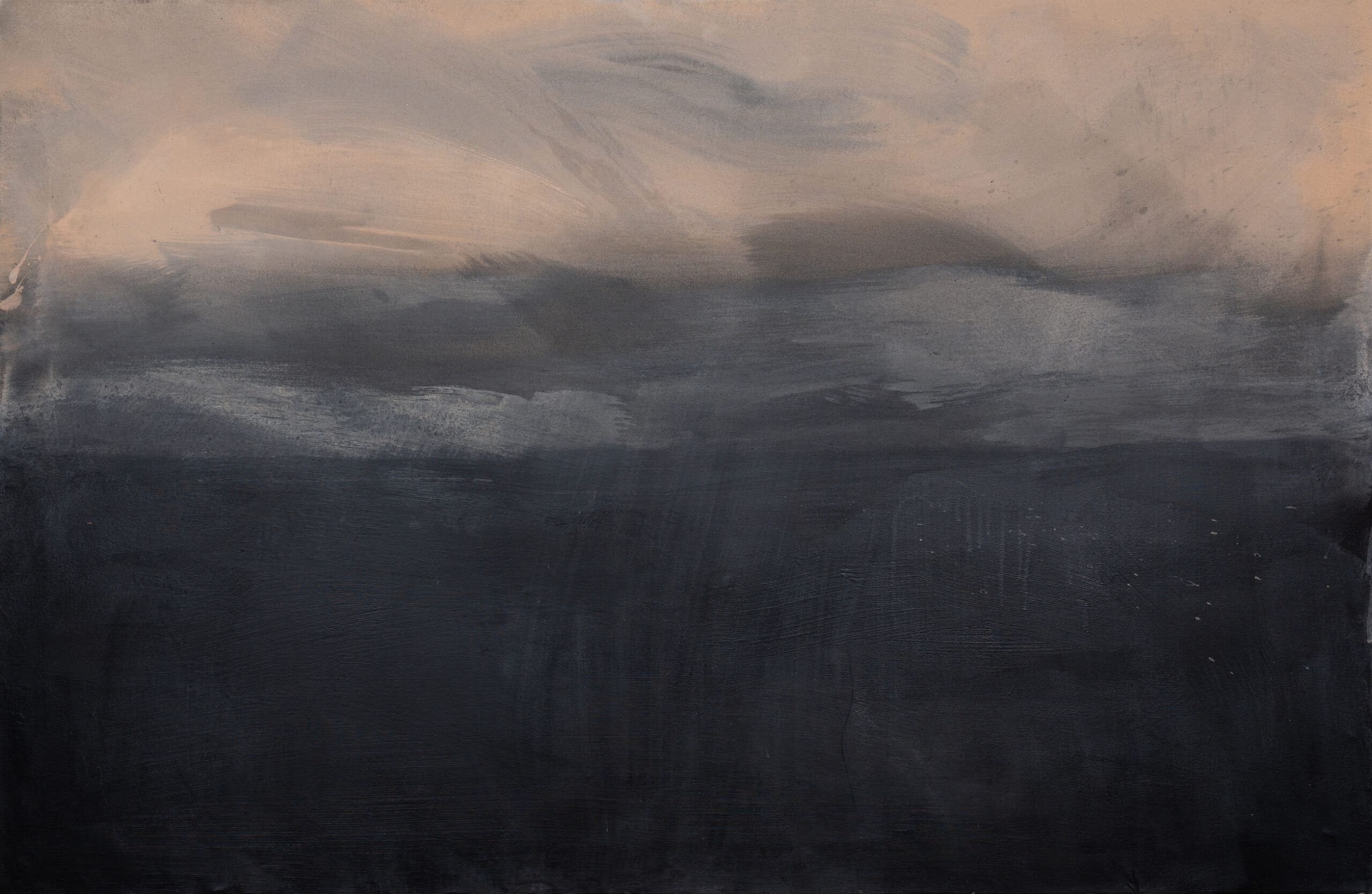
Wil je muziek beluisteren van Loren?

https://recitalprogram.bandcamp.com/album/airs
Wil je Loren muziek zien maken?
Sijme Storm / 2023
Maybe you know this game where you get blindfolded and you throw a dart on a world map and the spot you hit will be your next camping destination?
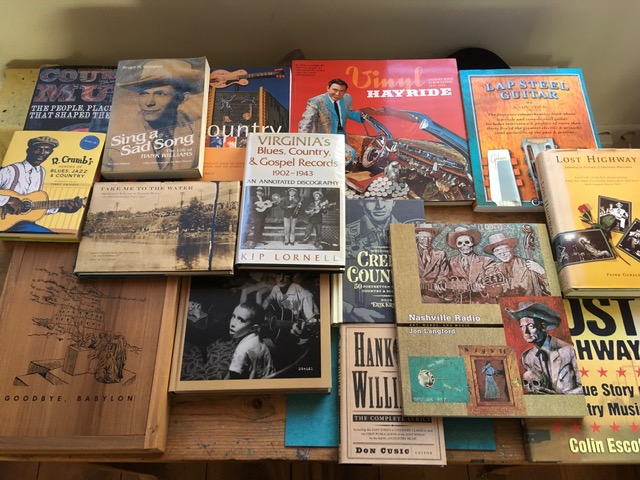
Well I sort of did the same with a collection of country, blues, jazz and gospel books.
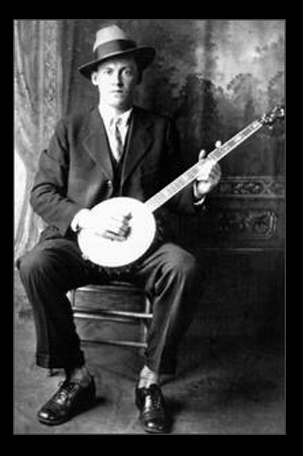
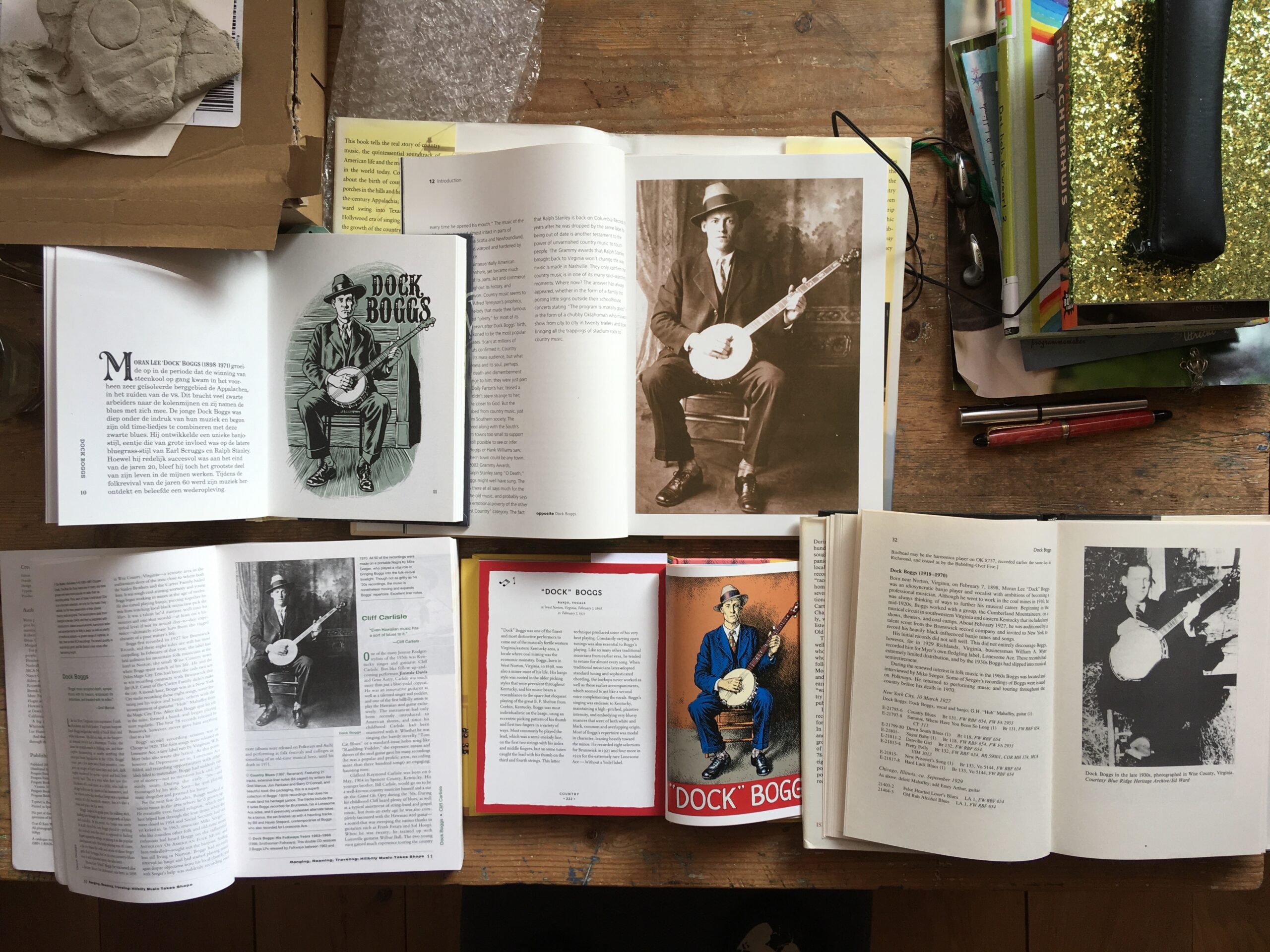
The spot I hit, was the photograph of Dick Boggs, and once you start seeing things they pop up everywhere!
Truly iconic picture of an iconic musician.
It may sound strange this work of noises, but if you want to get a true and direct introduction to the compositional world of Jürg Frey
this is the work to listen to [repeatedly] at low to normal volume. Just letting the sounds be. There’s enough information on the composer
and on this work to help you on the way. / sijme storm
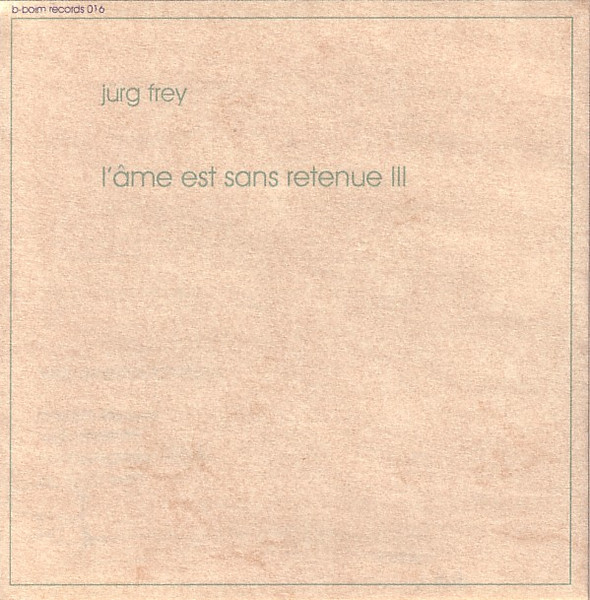
During a three month stay in Berlin from October to December 1997, the Swiss composer Jürg Frey made field recordings in a park. He recorded distant environmental sounds by setting a microphone in the middle of the park, to collect various sounds—traffic noises, town noises, rumbles—any kinds of distant sounds which reached the center of the park via space. His microphones also picked up some closer sounds occurring in the park. Later he composed three electronic tape pieces in a series, l’âme est sans retenue I—III, in 1998—2000, using these field recordings as the source material. All three compositions have a similar minimal structure in which continuous linear stretches of sounds (of field recordings) and stretches of silence—all with changing lengths—alternatingly fade in and out.
Introduction to the the three compositions by Yuko Zama
I
Here is the essay by Yuko Zama on the Frey compositions
http://surround.noquam.com/borders-disappear/